Broadway Market waste collection tips for market traders
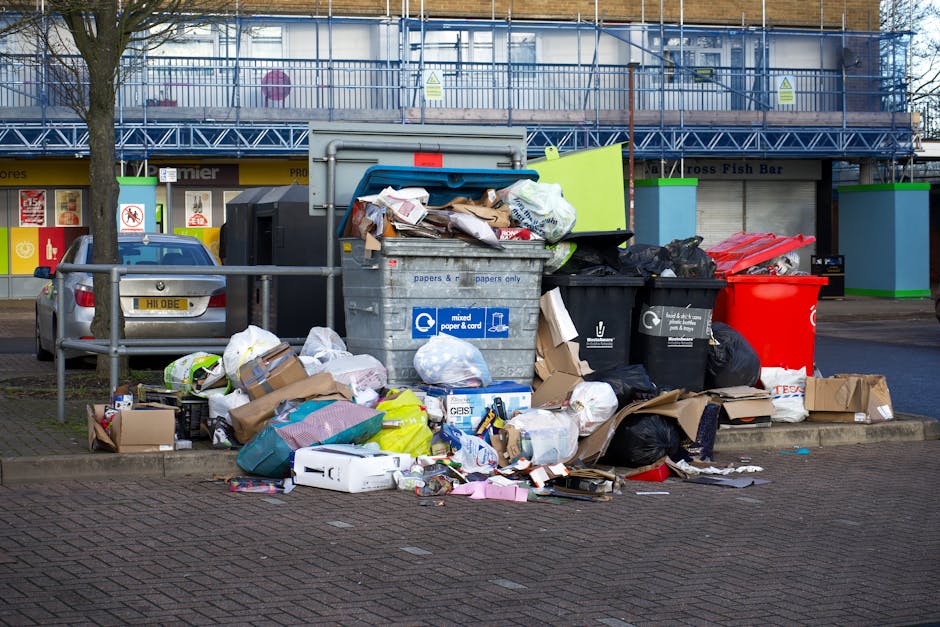
If you trade at Broadway Market, you already know waste is never just "rubbish". It is the cardboard after the stock is unpacked, the veg peelings from prep, the broken crates, the takeaway packaging, the odd spill, and the little pile that somehow appears before you've even finished setting up. Good Broadway Market waste collection tips for market traders can save time, reduce stress, and stop a tidy stall from turning into a messy one by mid-afternoon.
Truth be told, the best waste plan is usually the one you barely notice. It runs quietly in the background while you serve customers, keep the pitch clear, and avoid those awkward last-minute scrambles when the bins are full and the van is already waiting. In this guide, you'll find practical, market-tested advice on sorting, storing, moving, and collecting waste more efficiently, plus a few easy mistakes to avoid.
Why Broadway Market waste collection tips for market traders Matters
At a busy market, waste has a way of multiplying. A few boxes here, a bag of peelings there, a coffee cup, some cling film, a damaged tray, and suddenly your stall looks less like a well-run business and more like a half-finished storage cupboard. The point of better waste collection is not just cleanliness. It is flow, safety, presentation, and time.
For market traders, especially food traders and high-footfall stalls, waste control affects how quickly you can pack down, how safely staff can move around, and how professional your pitch looks to customers. It also affects smell, pests, slip risks, and how much time you spend doing end-of-day clean-up instead of, well, going home. Who wants to spend twenty extra minutes wrestling soggy cardboard at dusk? Not many of us.
There is also a commercial side to it. Better waste handling can help you reduce avoidable disposal costs, separate recyclables properly, and stop one type of waste contaminating another. If you are dealing with mixed commercial waste, it may also make sense to look at business waste removal as part of a wider routine rather than treating each spillover as a one-off problem.
In practice, the traders who stay on top of waste usually have one thing in common: they make disposal simple enough to repeat every day. That sounds basic. It is basic. And basic systems are often the ones that hold up when the market gets hectic.
How Broadway Market waste collection tips for market traders Works
The practical side of Broadway Market waste collection starts before the stall opens. You want a clear plan for where waste will be placed during trading, how it will be separated, when it will be moved, and who is responsible for each step. If you leave these decisions until closing time, things become slower and, frankly, a bit chaotic.
Most traders benefit from thinking in four layers:
- Back-of-stall sorting - boxes, food scraps, wrapping, broken equipment, and general waste all need separate homes where possible.
- On-stall containment - bins, sacks, tubs, or crate systems that keep waste off the customer side.
- Collection timing - deciding whether waste is moved during trade, at break times, or after pack-down.
- Off-site disposal - recycling, licensed removal, re-use, or specialist disposal depending on the waste type.
For stalls that generate larger amounts of mixed waste, planning around regular waste removal can be far more efficient than trying to improvise with overfilled sacks and a cramped van boot. That is especially true if your market day includes wet waste, packaging, and disposable food service items all at once.
It also helps to work backwards from your busiest moment. If your queue peaks around lunchtime, where does the rubbish go when there is no spare hand to deal with it? That one question often reveals the weak spot in the whole system.
Key Benefits and Practical Advantages
Good waste collection habits do more than keep the pitch neat. They make the entire trading day smoother. Here are the main benefits traders notice first.
- Faster pack-down - waste is already separated, so you are not sorting through mixed bags at the end of the day.
- Better stall presentation - customers see a tidy, organised business rather than clutter and overflow.
- Lower contamination - recycling stays cleaner when food waste and liquids are kept out of it.
- Improved safety - fewer trip hazards, fewer loose boxes, fewer slippery patches.
- More usable space - every square foot matters at a market pitch, and waste eats space fast.
- Less smell and pest attraction - especially important for food traders in warmer weather.
There is also a morale benefit, oddly enough. A clean, workable stall tends to feel calmer. You move better, staff make fewer mistakes, and you are not constantly stepping around a pile of crushed packaging. It sounds small, but small things stack up.
If your waste stream includes bulky items like old display units, broken shelving, or damaged tables, you may need more than standard bin collection. In those cases, a service such as office clearance can sometimes be useful for traders who also operate from a back office, storage room, or prep area off the market floor.
Who This Is For and When It Makes Sense
This advice is useful for a wide range of traders, but it is especially relevant if your stall regularly produces waste that cannot simply be dropped into a small general bin. That includes food traders, florists, vintage sellers, takeaway operators, and anyone with packaging-heavy stock. If you trade several days a week, the waste build-up becomes a pattern rather than an occasional headache.
It also makes sense if you:
- share stall space or storage with other traders
- have limited access for vehicles at loading or closing time
- generate mixed waste streams, such as cardboard and food waste
- need to keep a back-of-house area tidy for staff or customers
- have seasonal spikes, like summer food service or holiday trading
Sometimes the need is obvious. Other times it sneaks up on you. A trader might start with a neat little setup and then add more stock, extra display crates, disposable cups, ice boxes, or protective packaging. A month later, the waste routine no longer fits. That is usually when people start looking for a better system.
For traders who handle unwanted stock, old furniture, or temporary fixtures, related services such as furniture disposal or furniture clearance may be relevant when refreshes or seasonal changes leave you with items that are too bulky for ordinary collection.
Step-by-Step Guidance
Below is a practical way to build a waste routine that works on a real market day, not just on paper.
- Map your waste types before trading starts. List the main categories you generate: cardboard, plastics, food waste, glass, paper, damaged stock, and general waste. Keep it simple, but be honest.
- Choose the right containers. Use bags, stackable bins, labelled tubs, or crates that match the volume and type of waste. Wet waste needs a different approach from dry packaging.
- Set a sorting rule for staff. Everyone should know what goes where. If the rules are vague, contamination creeps in fast.
- Keep waste away from customer-facing areas. Place bins discreetly but accessibly. No one wants to stare at a leaking sack while choosing lunch.
- Schedule mini-clears during the day. If space is tight, do a quick reset at quieter points rather than leaving everything until close.
- Flatten and bundle dry recyclables. Cardboard and certain packaging take up far less room when compressed properly.
- Isolate anything risky or unusual. Broken glass, sharp metal, cleaning chemicals, and electrical items should never be mixed casually into general waste.
- Finish with a proper pack-down routine. Do a last sweep, wipe spills, seal bags, and move waste to the agreed collection point.
That last step matters more than people think. A five-minute tidy at the end often prevents a twenty-minute fix the next morning. It is a boring little habit, but a brilliant one.
Expert Tips for Better Results
Here are the practical tricks that make waste collection easier in the real world.
1. Label by waste stream, not just by bin
Instead of writing "rubbish" on everything, label containers as cardboard, food waste, soft plastic, general waste, or breakables. Clear labels reduce confusion during busy spells. Even your newest staff member should be able to work it out in seconds.
2. Use smaller containers for high-risk waste
Food waste and wet packaging are easier to manage in smaller, more frequently emptied containers. A huge bag sounds efficient until it splits. Then it is not efficient at all.
3. Keep a spare waste kit
A backup roll of bags, gloves, cloths, ties, and a spare tub can rescue a trading day when something leaks or spills. Market life is unpredictable. One gust of wind and suddenly the whole setup needs attention.
4. Train for the closing rush
Most waste problems appear at pack-down, when people are tired and trying to leave quickly. A short, fixed closing routine makes a difference. You do not need a fancy system, just a repeatable one.
5. Think in routes, not just bins
Where does waste move from stall to collection point? Is the path clear? Is it awkward in a crowd? Is there a better handoff point? Small route planning can save a lot of frustration. It also helps when the market is wet and the ground is a bit slippery, which, let's be honest, happens more than anyone would like.
If your setup includes appliances, chilled units, or stockroom equipment that needs replacing, specialist help may be needed. For example, fridge and appliance removal is more appropriate than treating a broken cold unit like ordinary refuse. Same idea for damaged bulk items.
Common Mistakes to Avoid
A lot of waste trouble comes from a few predictable habits. The good news? They are easy to fix once you spot them.
- Mixing food waste with clean recyclables - one damp container can ruin a whole batch of otherwise recyclable material.
- Overfilling sacks - it saves time for about ten minutes, then becomes a mess, a lifting risk, and a nuisance.
- Leaving waste for "later" - later often turns into the end of the day, when everyone is tired and less careful.
- Ignoring bulky waste early - broken racks or old display furniture can quietly eat valuable space if left too long.
- Not separating sharp or hazardous items - this is where simple waste handling becomes a safety issue.
- Forgetting the weather - heat makes smell and spoilage worse; rain makes cardboard soft and slippery. Not ideal.
One small, common slip-up: traders often use the same container for everything because it feels quicker. It is quicker today. Tomorrow, not so much. And the day after, you are the one untangling the whole thing.
Tools, Resources and Recommendations
You do not need a lot of kit, but the right kit makes the job smoother.
| Tool or resource | Best use | Why it helps |
|---|---|---|
| Labelled bins or tubs | Sorting waste on the stall | Reduces confusion and contamination |
| Heavy-duty bin bags | General waste and wet waste | Helps prevent splits and spills |
| Folding crates | Cardboard and dry packaging | Saves space during pack-down |
| Gloves and wipes | Quick clean-ups | Supports hygiene and safer handling |
| Collection schedule sheet | Day-to-day planning | Keeps staff on the same page |
For traders who need a more structured off-site disposal plan, pricing and quotes is a sensible place to review how wider collection needs might be handled. It is often easier to plan once you can see the full picture. Likewise, if sustainability is important to your stall brand, the page on recycling and sustainability may help you shape a cleaner routine.
There is also practical value in reading what can go in a skip if you sometimes accumulate bulky or mixed items and want to understand what may or may not suit a larger clear-out approach.
Law, Compliance, Standards, or Best Practice
Waste handling for traders should always be approached carefully. UK businesses have duties around keeping waste secure, sorting it appropriately where possible, and using lawful disposal routes. The exact obligations will depend on the type of business waste you generate, the materials involved, and how your market or local arrangements are set up.
For market traders, the safest approach is to follow a few best-practice principles:
- do not leave waste in public areas unless it is specifically permitted and properly managed
- keep recyclable and non-recyclable waste separate where practical
- store waste so it cannot blow, leak, or attract pests
- use suitable handling methods for sharp, heavy, or hazardous items
- make sure any waste contractor or collection arrangement is appropriate for business waste
If your operation creates items that may be hazardous, such as chemicals, solvents, or certain electrical components, they should be handled separately. That is where hazardous waste disposal becomes relevant. Don't casually mix it in and hope for the best. Hope is not a disposal method.
From a health and safety perspective, it is also smart to keep trip hazards down, prevent manual handling strain, and make sure staff know what to do with awkward or heavy waste. The broad idea is simple: waste should make your day easier, not create a second job.
Options, Methods, or Comparison Table
Different stalls need different waste methods. A flower trader, a hot-food stall, and a vintage stall do not produce the same kind of mess, so a one-size-fits-all setup is rarely the best choice.
| Method | Best for | Pros | Watch-outs |
|---|---|---|---|
| Standard bag-and-bin routine | Low to moderate waste volume | Simple, cheap, easy to train staff on | Can become messy if volume rises quickly |
| Separated waste stations | Food and packaging-heavy stalls | Better recycling, cleaner stall, easier end-of-day sorting | Needs clear labelling and discipline |
| Scheduled business collection | Regular commercial waste output | Reliable, predictable, less storage pressure | Requires planning and consistency |
| Bulk clearance support | Bulky, seasonal, or one-off waste | Good for old fixtures, stockroom clear-outs, or large items | Not usually the right choice for everyday small waste |
There is no single winner here. The right method depends on your stall size, waste type, access, and trading rhythm. For some traders, a simple routine is enough. For others, a more robust commercial arrangement makes all the difference.
Case Study or Real-World Example
Take a busy food trader setting up early on a cool morning. By 11 a.m., they have paper packaging, veg trimmings, drink cups, broken box flaps, and a couple of wet cloths from a spill. At first, everything is tucked into one back corner. By lunchtime, that corner is cluttered, damp, and slightly in the way.
Now compare that with a stall using three simple containers: one for dry packaging, one for food waste, and one for general waste. Cardboard is flattened as products are unpacked. Food waste is sealed before it starts to smell. General waste is cleared during a quieter moment. The stall looks tidier, staff move more easily, and pack-down is quicker. Nothing dramatic. Just smoother.
That is the real benefit of good Broadway Market waste collection tips for market traders. Not perfection. Just less friction.
We have seen similar setups work well for traders who also keep stock or equipment elsewhere. When a back room starts filling up with broken chairs, display units, or unused fixtures, that is often the point where a wider home clearance or house clearance-style approach becomes useful in spirit, even if the space is commercial rather than domestic. The principle is the same: clear the clutter before it becomes part of the routine.
Practical Checklist
Use this as a quick pre-opening or closing check. Simple, but very handy.
- Are waste containers labelled clearly?
- Is food waste kept separate from dry recyclables?
- Are there enough bags, ties, and cleaning supplies?
- Is any sharp, heavy, or unusual waste stored safely?
- Can staff reach the bins without blocking customers?
- Are cardboard and packaging flattened where possible?
- Is there a clear pack-down routine for closing time?
- Has any spill or leak been dealt with immediately?
- Are bulky or broken items set aside for the right disposal route?
- Does the waste plan still match the way you trade now?
If you can answer yes to most of those, you are already ahead of many stalls. If not, no drama. Start with the biggest pain point and improve one bit at a time.
Conclusion
Good market waste management is rarely glamorous, but it is one of those behind-the-scenes habits that quietly improves almost everything else. Better organisation, cleaner presentation, safer movement, and less end-of-day stress all come from a waste routine that fits the way you actually trade.
For Broadway Market traders, the best approach is usually practical, repeatable, and realistic. Keep waste sorted, keep it contained, and keep it moving. That's the whole game, really. When your system is simple enough to stick with on a busy day, it will keep paying you back in time and peace of mind.
If your stall generates more than standard daily waste, or you are dealing with bulky items, mixed commercial waste, or awkward storage clear-outs, it is worth reviewing your options and planning ahead rather than waiting for the pile-up.
Get a free quote today and see how much you can save.
And if the waste pile is still staring back at you tomorrow morning, that is fine too. Start small, keep it tidy, and build from there. That usually works better than trying to fix everything in one heroic go.
Frequently Asked Questions
What is the best waste collection setup for a Broadway Market trader?
The best setup is usually the one that matches your waste type and trading pace. Food traders often need separated containers for food waste, packaging, and general waste, while non-food traders may mainly need dry sorting and a compact pack-down system.
How do I keep my stall clean during a busy trading day?
Use small, clearly labelled containers, empty them before they overflow, and build short reset points into the day. A two-minute tidy during quieter moments can prevent a much bigger clean-up later.
Should cardboard be flattened before collection?
Yes, whenever possible. Flattening cardboard saves space, makes collection easier, and reduces clutter around the stall. It is one of the simplest habits that pays off quickly.
What should market traders do with food waste?
Food waste should be contained properly, kept separate from recyclables, and removed regularly to limit smell and pest risk. Sealed bins or bags are usually better than leaving it exposed, especially in warmer weather.
Can I mix recycling and general waste together if I am in a hurry?
It is better not to. Mixing waste can contaminate recyclables and make disposal less efficient. If you are under pressure, simplify your system rather than abandoning it completely.
How often should waste be removed from a market stall?
That depends on your waste volume, but the main rule is simple: remove it before it becomes a problem. Many traders do mini-clears during the day and a full pack-down at the end of trading.
What if I have bulky waste like old tables or display units?
Bulky waste usually needs a different approach from everyday bin waste. It may be better handled through a dedicated clearance arrangement or a more suitable disposal service rather than trying to squeeze it into normal bags.
Are there special rules for hazardous items?
Yes, hazardous items should always be kept separate and handled carefully. This includes certain chemicals, solvents, and some electrical waste. If you are unsure, treat it cautiously and use the correct disposal route.
How can waste management help my market business look more professional?
A tidy stall feels calmer, cleaner, and more trustworthy. Customers notice when bins are hidden well, walkways stay clear, and packaging does not spill into the trading area.
Is it worth planning waste collection in advance for a small stall?
Absolutely. Even a small stall can generate more waste than expected on a busy day. A simple plan saves time, prevents overflow, and keeps closing stress low.
What is the biggest mistake traders make with waste?
Leaving everything until the end of the day is probably the most common mistake. Once waste has built up, it takes longer to sort, move, and clean, and the whole process becomes more tiring than it needs to be.
Can better waste planning reduce costs?
Often, yes. Better sorting can reduce contamination, improve recycling, and stop unnecessary extra collections or messy last-minute fixes. It also saves staff time, which is easy to overlook but very real.