Effective Furniture Disposal in Hackney: Your Comprehensive Guide
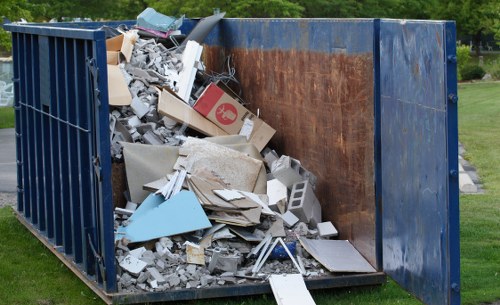
A large open-top metal skip located outdoors on a grassy area, filled with a variety of construction and household debris including broken plasterboard, ceramic tiles, cardboard boxes, wood panels, and crushed concrete. The skip's metal sides are painted dark blue, with the interior showing rust and wear marks. Items are piled high, with some pieces spilling over the edges. In the background, there are blurred green trees and a clear sky, indicating a bright day. The scene suggests a rubbish removal service in Hackney handling a substantial amount of waste from building or renovation work, exemplifying the type of waste managed by Flat Clearance Hackney as part of their rubbish disposal services.

When it comes to furniture disposal in Hackney, residents often face challenges in finding efficient and eco-friendly solutions. Whether you're upgrading your home, decluttering, or moving, understanding the best practices and available services is crucial.

Hackney, known for its vibrant community and bustling streets, requires a systematic approach to furniture disposal to maintain its charm and cleanliness. Improper disposal can lead to cluttered streets and environmental harm, making it essential to follow proper guidelines.

In this guide, we'll explore various methods of disposing of your old furniture responsibly, ensuring that your actions contribute positively to the Hackney community and the environment.
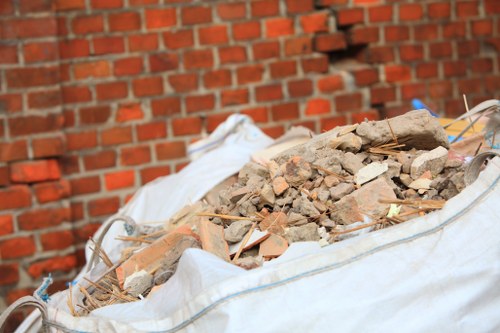
A large white sack filled with a mixture of construction debris, including broken bricks, concrete fragments, and small pieces of mortar, is positioned on a paved surface adjacent to a red brick wall. The debris appears dusty and coarse, with varying shades of brown and reddish tones, and some thin wooden sticks mixed within. The sack is partially open, revealing the contents, and is situated outdoors in a setting that suggests a rubbish removal process, typical of waste disposal services in Hackney. In the background, the textured brick wall is clearly visible, providing a stark contrast to the light-colored sack and its gritty contents. This scene captures the type of materials handled by Flat Clearance Hackney in their rubbish and furniture disposal services, illustrating a typical clearance of construction or renovation waste in an urban environment.

Why Proper Furniture Disposal Matters

Proper furniture disposal is more than just a responsibility; it's a commitment to sustainability and community well-being. Here's why it matters:

  • Environmental Impact: Furniture often contains materials that can be harmful if not disposed of correctly. Proper disposal reduces landfill waste and promotes recycling.
  • Community Cleanliness: Organized disposal prevents clutter in public spaces, maintaining the aesthetic appeal of Hackney.
  • Legal Compliance: Adhering to local disposal regulations helps avoid fines and penalties.

By prioritizing responsible disposal methods, residents contribute to a healthier, cleaner, and more sustainable community.

Don't wait until the clutter becomes unmanageable. Take proactive steps today to ensure your furniture disposal practices are both effective and environmentally friendly.

A person in the process of disposing of household waste by lifting the lid of a large black plastic wheelie bin with a grey lid, releasing a clear plastic bag containing white ceramic dishes and cups into the open bin. The bin is situated on a paved or concrete surface, possibly on a driveway or outdoor area in Hackney, with a background of dense foliage and leaves. The scene is captured in black and white, emphasizing the textures of the plastic bin, the smooth ceramic items, and the natural surroundings. The image illustrates typical rubbish disposal activity relevant to waste management services like those offered by Flat Clearance Hackney in the local area, supporting environmentally responsible furniture and household item disposal.

Methods of Furniture Disposal

1. Donation

Donating furniture is an excellent way to give your items a second life. Numerous charities and organizations in Hackney accept gently used furniture, providing assistance to those in need.

Benefits of Donation:

  • Supports local communities
  • Reduces waste
  • Potential tax deductions

Before donating, ensure your furniture is in good condition and meets the organization's requirements.

2. Recycling

Recycling furniture involves breaking down items into their constituent materials, which can then be reused in manufacturing new products. This method significantly reduces environmental impact.

Recycling Process:

  1. Collection of old furniture
  2. Separation of materials
  3. Processing and manufacturing

Contact local recycling centers in Hackney to understand their specific procedures and requirements.
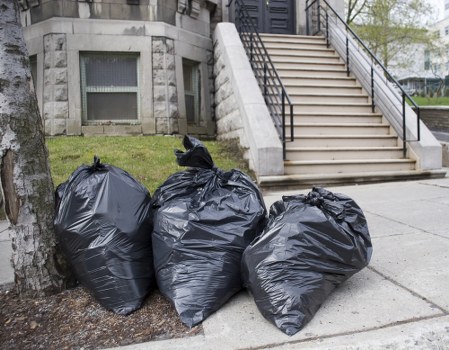
Three large black rubbish bags filled with waste are positioned on the pavement near a tree trunk in front of a stone residential building with a staircase and metal railing leading up to the entrance. The bags are made of thick plastic and are tightly closed, with some showing slight bulges indicating their contents. The setting appears to be an urban area with a concrete sidewalk and a small grassy patch with the tree. The background includes the foot of the building's stairs and a glimpse of the building facade. This scene reflects a typical outdoor rubbish collection point, possibly managed by Flat Clearance Hackney, a local rubbish removal service in Hackney, London, emphasizing the need for professional clearance to maintain cleanliness in the area.

Local Disposal Services in Hackney

Hackney offers a variety of disposal services tailored to different needs. Here's a look at some of the most reliable options:

1. Council Collection Services

The Hackney Council provides regular collection services for bulky waste, including furniture. Scheduling a pickup is straightforward and ensures responsible disposal.

How to Schedule:

  • Visit the Hackney Council website
  • Fill out the bulky waste collection form
  • Choose a convenient date and time

This service is often free or offered at a nominal fee, making it an affordable option for residents.

2. Private Removal Companies

For those seeking more personalized services, private removal companies in Hackney offer comprehensive furniture disposal solutions, including pickup, transportation, and recycling or donation.

Advantages of Using Private Services:
  • Flexible scheduling
  • Professional handling of items
  • Guaranteed disposal methods

Research and compare different companies to find the best fit for your specific needs and budget.

A young man with dark hair and a light purple shirt is smiling at the camera while holding a blue recycling bin filled with clearly visible glass bottles and jars, some with different shades of green and transparent finishes. Behind him, a woman with brown hair tied back is seen in profile, standing near a kitchen counter, with a green plastic container and a wooden cabinet in the background. The kitchen features light-colored walls and wooden furnishings, typical of a domestic setting. The scene is well-lit with natural or bright interior lighting, emphasizing the focus on waste sorting and recycling activity, aligning with rubbish removal and sustainable disposal practices common in Hackney and surrounding areas. The overall environment suggests an interior space dedicated to household waste management, with attention to reducing waste by recycling glass containers, as part of community efforts supported by companies like Flat Clearance Hackney.

DIY Furniture Disposal Tips

If you prefer handling furniture disposal independently, consider the following tips to make the process smoother and more efficient:

1. Assess the Condition

Before disposing of your furniture, evaluate its condition. Items in good shape can be donated or sold, while those beyond repair may need to be recycled or disposed of through council services.

  • Donateable: Gently used and functional
  • Repairable: Needs minor fixes before donation
  • Disposal: Damaged or non-functional

2. Disassemble Furniture

Large furniture pieces can be challenging to transport. Disassembling them can save space and make the pickup process easier.

Steps to Disassemble:

  1. Remove screws and bolts
  2. Separate cushions and removable parts
  3. Store pieces securely to prevent damage

Ensure you have the necessary tools and follow safety precautions to avoid injuries.

3. Schedule Timely Disposal

Plan your disposal activities promptly to avoid last-minute rushes, which can lead to inefficient handling and potential fines.

Organized disposal not only makes the process easier but also ensures compliance with local regulations.

Three large black rubbish bags filled with waste are positioned on the pavement near a tree trunk in front of a stone residential building with a staircase and metal railing leading up to the entrance. The bags are made of thick plastic and are tightly closed, with some showing slight bulges indicating their contents. The setting appears to be an urban area with a concrete sidewalk and a small grassy patch with the tree. The background includes the foot of the building's stairs and a glimpse of the building facade. This scene reflects a typical outdoor rubbish collection point, possibly managed by Flat Clearance Hackney, a local rubbish removal service in Hackney, London, emphasizing the need for professional clearance to maintain cleanliness in the area.

Environmental Considerations

Disposing of furniture responsibly minimizes environmental impact. Here are key considerations to keep in mind:

1. Material Recycling

Different materials require specific recycling processes. Wood, metal, and plastic should be separated and directed to appropriate recycling facilities.

Recycling Tips:

  • Separate materials at home
  • Use designated recycling bins
  • Check local guidelines for proper disposal

Proper recycling reduces the need for virgin materials and lowers the carbon footprint.

2. Avoiding Landfill

Landfills contribute to environmental degradation. By choosing options like donation, recycling, or resale, you help reduce the volume of waste sent to landfills.

Benefits of Minimizing Landfill Waste:
  • Conserves natural resources
  • Prevents soil and water contamination
  • Reduces greenhouse gas emissions

Making conscious disposal choices benefits both the environment and the Hackney community.

A young man with dark hair and a light purple shirt is smiling at the camera while holding a blue recycling bin filled with clearly visible glass bottles and jars, some with different shades of green and transparent finishes. Behind him, a woman with brown hair tied back is seen in profile, standing near a kitchen counter, with a green plastic container and a wooden cabinet in the background. The kitchen features light-colored walls and wooden furnishings, typical of a domestic setting. The scene is well-lit with natural or bright interior lighting, emphasizing the focus on waste sorting and recycling activity, aligning with rubbish removal and sustainable disposal practices common in Hackney and surrounding areas. The overall environment suggests an interior space dedicated to household waste management, with attention to reducing waste by recycling glass containers, as part of community efforts supported by companies like Flat Clearance Hackney.

Legal Regulations for Furniture Disposal in Hackney

Understanding and adhering to local disposal regulations is essential to avoid legal complications. Here's what you need to know:

1. Disposal Permits

In some cases, disposing of large furniture pieces may require a permit. Check with Hackney Council to determine if a permit is necessary for your disposal needs.

Permit Process:

  1. Apply online or visit the council office
  2. Provide details of the items to be disposed
  3. Pay any applicable fees

Ensure you obtain the permit in advance to avoid fines and ensure a smooth disposal process.

2. Restricted Items

Certain items are subject to disposal restrictions due to their size, material, or potential environmental impact. Items like mattresses, upholstered furniture, and electronics may have specific disposal guidelines.

Handling Restricted Items:
  • Check local regulations
  • Use specialized disposal services if required
  • Consider professional removal for hazardous materials

Being aware of these restrictions helps in planning your disposal strategy effectively.

3. Recycling Requirements

Some materials must be recycled rather than sent to landfills. Familiarize yourself with the recycling requirements for different furniture components to ensure compliance.

Adhering to legal regulations not only helps avoid penalties but also promotes responsible environmental stewardship.

A young man with dark hair and a light purple shirt is smiling at the camera while holding a blue recycling bin filled with clearly visible glass bottles and jars, some with different shades of green and transparent finishes. Behind him, a woman with brown hair tied back is seen in profile, standing near a kitchen counter, with a green plastic container and a wooden cabinet in the background. The kitchen features light-colored walls and wooden furnishings, typical of a domestic setting. The scene is well-lit with natural or bright interior lighting, emphasizing the focus on waste sorting and recycling activity, aligning with rubbish removal and sustainable disposal practices common in Hackney and surrounding areas. The overall environment suggests an interior space dedicated to household waste management, with attention to reducing waste by recycling glass containers, as part of community efforts supported by companies like Flat Clearance Hackney.

Choosing the Right Disposal Service

Selecting the appropriate disposal service is crucial for an efficient and hassle-free experience. Consider the following factors when making your choice:

1. Service Range

Ensure the disposal service covers all the types of furniture you intend to dispose of. Some services specialize in specific items, while others offer comprehensive solutions.

  • General household furniture
  • Office furniture
  • Specialty items (e.g., antiques)

Choosing a service that meets your specific needs ensures effective disposal.

2. Pricing Structure

Understand the pricing model of the disposal service. Some charge based on the volume, weight, or number of items, while others offer flat-rate packages.

Cost Considerations:

  1. Compare quotes from multiple providers
  2. Check for hidden fees
  3. Look for value-added services (e.g., free pickup)

Transparent pricing helps you manage your budget effectively while ensuring quality service.

3. Reputation and Reviews

Research the reputation of disposal services by reading reviews and testimonials. A service with positive feedback is more likely to provide reliable and efficient solutions.

How to Assess Reputation:
  • Check online review platforms
  • Ask for recommendations from neighbors
  • Verify certifications and accreditations

Choosing a reputable service ensures peace of mind and satisfaction with the disposal process.

A young man with dark hair and a light purple shirt is smiling at the camera while holding a blue recycling bin filled with clearly visible glass bottles and jars, some with different shades of green and transparent finishes. Behind him, a woman with brown hair tied back is seen in profile, standing near a kitchen counter, with a green plastic container and a wooden cabinet in the background. The kitchen features light-colored walls and wooden furnishings, typical of a domestic setting. The scene is well-lit with natural or bright interior lighting, emphasizing the focus on waste sorting and recycling activity, aligning with rubbish removal and sustainable disposal practices common in Hackney and surrounding areas. The overall environment suggests an interior space dedicated to household waste management, with attention to reducing waste by recycling glass containers, as part of community efforts supported by companies like Flat Clearance Hackney.

Conclusion: Taking Action for a Cleaner Hackney

Proper furniture disposal in Hackney is essential for maintaining the area's cleanliness, supporting environmental sustainability, and fostering a supportive community. By understanding your disposal options, adhering to local regulations, and choosing the right services, you can make a positive impact.

Whether you opt for donation, recycling, or professional removal, each choice contributes to a better Hackney. Take the first step today to ensure your old furniture is disposed of responsibly.

Ready to dispose of your furniture? Contact us today to explore the best disposal options tailored to your needs. Book your service now and join the community in building a cleaner, greener Hackney.

Frequently Asked Questions

Sustainable furniture disposal involves methods that minimize environmental impact, such as recycling, donating, refurbishing, or responsibly disposing of furniture to reduce waste and conserve resources.

In Hackney, you can dispose of furniture sustainably by donating to local charities, selling or giving away items through online platforms, utilizing recycling centers, or arranging for bulk waste collection through the council’s services.

Yes, Hackney has several recycling centers where you can drop off furniture. These centers ensure that materials are properly recycled or repurposed, reducing landfill waste.

Absolutely. Many local charities and non-profit organizations in Hackney accept used furniture donations, providing them to those in need and giving your items a second life.

Most types of furniture, including wooden tables, chairs, sofas, and beds, can be recycled or reused. However, items containing hazardous materials like certain paints or upholstery may require special handling.

You can arrange for bulky waste collection in Hackney by contacting the local council's waste management service, scheduling a pickup online, or by phone, and ensuring items are placed at the designated collection points at the scheduled time.

Some furniture disposal options in Hackney are free, such as donating to charities or utilizing scheduled bulk waste collections. However, certain services like private recycling centers or expedited pickups may incur fees.

Hazardous materials should be handled separately. You can take them to designated hazardous waste facilities or follow specific disposal guidelines provided by Hackney’s waste management services to ensure safe and compliant disposal.

You can find local charities by searching online directories, visiting websites of organizations like Shelter or British Heart Foundation, or contacting Hackney Council for recommendations on reputable local charities accepting furniture donations.

Yes, Hackney has several businesses that specialize in upcycling furniture. These businesses refurbish and transform old pieces into new, stylish items, promoting sustainability and creativity in furniture reuse.

Sustainable furniture disposal reduces landfill waste, conserves natural resources by recycling materials, lowers greenhouse gas emissions, and supports the circular economy by extending the life cycle of furniture.

For more information, you can visit Hackney Council’s official website, contact local recycling centers, reach out to environmental organizations in Hackney, or consult online resources dedicated to sustainable living and waste management.
Flat Clearance Hackney

Discover effective and eco-friendly furniture disposal methods in Hackney. Learn about local services, recycling, donation options, and legal guidelines to maintain a cleaner community.

Book Your Flat Clearance

Get In Touch With Us.

Please fill out the form below to send us an email and we will get back to you as soon as possible.